Action plan · New business ideas
Roadside Cafe Launchpad: Test Your Concept Lean
Up to $1,000 · Part-time · 15–20 hrs/week · Offline / local · Local (my city / area) · United States
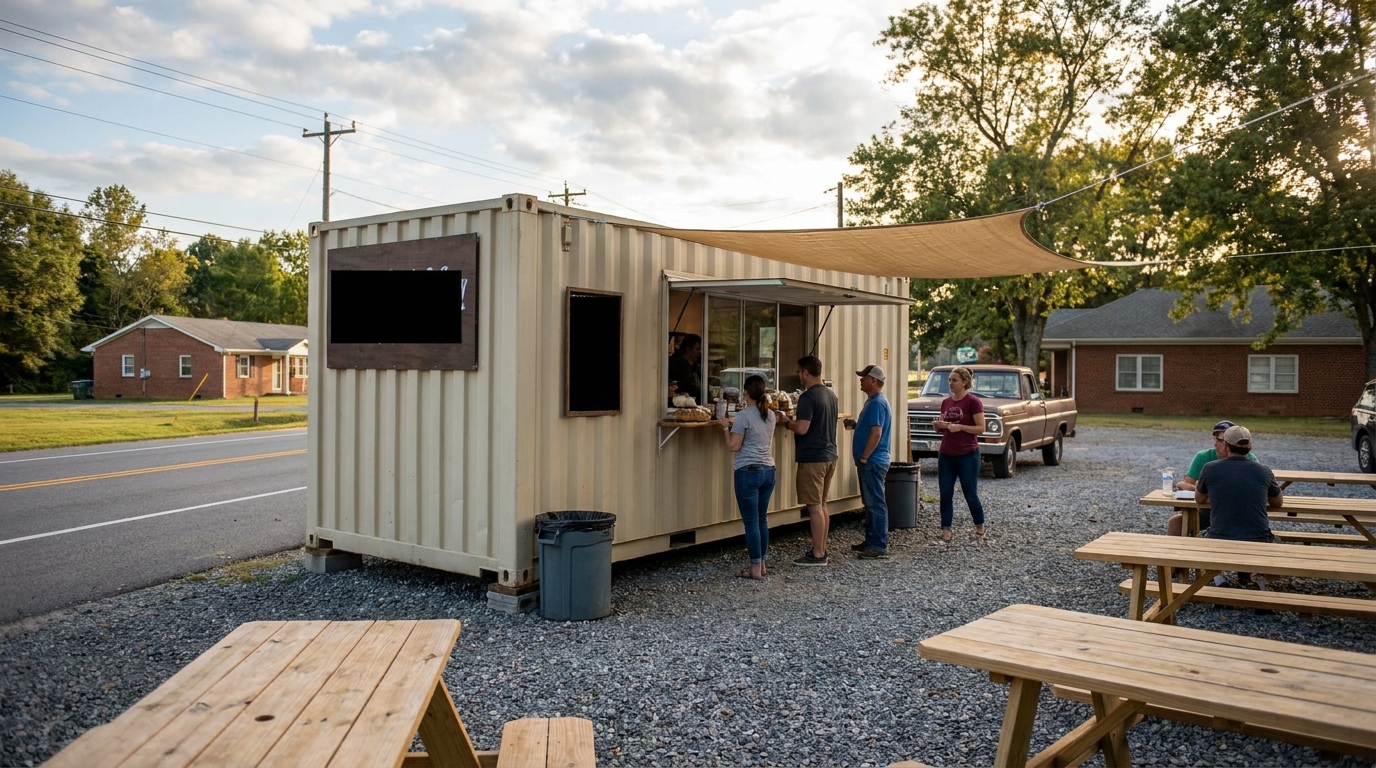
The food service industry remains stable, with consistent demand for eating out. While city markets are saturated, roadside cafes offer a unique opportunity. This plan focuses on validating your cafe concept with minimal initial investment and rapid feedback.
In plain English
Instead of a full-scale restaurant, start by testing a small-scale roadside food concept like a pop-up stand or mobile cart. You'll assess location viability and customer demand for specific offerings before committing significant resources. This approach de-risks the venture for beginners.
Key numbers
Profit outlook
Money comes in through direct sales of curated food and beverage packages to local businesses. This initial B2B model tests market demand and operational efficiency for a future roadside cafe.
Illustrative projection based on assumptions — not a guarantee.
Assumptions used in this projection
- Average order value$75
- Variable cost per customer / month$25
- Fixed costs / month$150
Is this price realistic? This 'Average order value' represents the typical price a small business would pay for a curated package (e.g., coffee/pastry box for 5-10 people), which is realistic for local B2B catering.
Based on ~5 paying customers
$100 net profit / month
Based on ~15 paying customers
$600 net profit / month
Based on ~30 paying customers
$1,350 net profit / month
Net profit by month
How net profit may grow in the first 6 months after launch (ramp-up to the steady levels above).
Who it fits
This is for aspiring entrepreneurs in small towns eager to enter food service with a low budget and high ambition. It suits individuals who enjoy direct customer interaction and are good at local logistics.
Local competitors
Short nbiplus profiles of nearby businesses — strengths, gaps, and how to compete. Not their official websites. Open a snapshot for Maps and a real site link when we have one.
8–20 similar businesses nearby (estimate)
In a small town, competition for B2B food service might come from local delis, bakeries, and small-scale caterers. Larger chains might offer bulk coffee, but often lack personalized service or unique food options. The key is to offer a distinct, convenient, and high-quality solution for businesses' specific needs.
Local Deli/Bakery
Strengths Established reputation, existing customer base, fresh baked goods.
Weaknesses Limited delivery options, may not offer tailored 'package' solutions, less focus on specialized B2B needs.
Grocery Store Deli/Catering
Strengths Convenient, often lower price point, wide variety of standard options.
Weaknesses Generic offerings, lacks 'artisan' appeal, less flexible for custom orders, impersonal service.
Independent Small Caterer
Strengths Flexible menus, personalized service, can handle larger events.
Weaknesses Higher cost per plate, may have minimum order requirements, less capacity for frequent small B2B orders.
Startup budget
$1,000 (Lean concept validation)
- Basic kitchen supplies & small equipment $250 25%
- Initial ingredients & packaging materials $200 20%
- Temporary food permit / business license fees $150 15%
- Online ordering platform subscription (1-2 months) $75 7.5%
- Local marketing materials (flyers, social media ads) $125 12.5%
- Delivery supplies (cooler bags, containers) $100 10%
- Contingency $100 10%
First demand check (48–72 hours)
Within 48-72 hours, identify 3-5 potential roadside locations in or near your small town. Conduct informal interviews with at least 10 travelers or local residents to gauge interest in specific food/drink items and ideal stopping times.
Local reality check
In a small town in the United States, roadside cafes can thrive by catering to travelers and local commuters. While city markets are saturated, a small town might have fewer direct competitors for a specialized B2B food delivery service focusing on unique, convenient offerings for local businesses. Success hinges on identifying under-served business segments and delivering high-quality, reliable service. Roadside locations themselves might be limited, so starting with a mobile/delivery model to businesses is a lean entry point.
Milestones
- B2B concept & lean menu defined By day 3
- Permits secured & online ordering ready By day 7
- First 3 B2B orders secured By day 14
- Validated menu items & service model By month 1
14-day plan
- Define niche B2B concept: e.g., 'Artisan Coffee & Pastry Boxes for Local Business Meetings'.
- Research local small businesses as potential clients and their typical needs.
- Outline initial lean menu (2-3 coffee options, 2-3 pastry/snack options).
- Obtain necessary temporary food handling permits and basic business registration.
- Source affordable, quality ingredients from local suppliers if possible.
- Set up a simple online presence for orders (e.g., Google Form, basic landing page).
- Prepare sample packages for initial outreach to 5-10 target businesses.
- Refine pricing based on ingredient costs and perceived B2B value.
- Develop a concise pitch for cold outreach (email/in-person visits).
- Execute initial outreach to secure first orders from local businesses.
- Fulfill and deliver first B2B orders, meticulously tracking feedback.
- Analyze initial sales data and customer feedback to iterate on menu/service.
Tools to use
Google Forms/Squarespace (for simple online orders) · Canva (for marketing materials) · Local health department website (for permits) · Square/PayPal (for payment processing) · Local business directories (for outreach)
Week-one goal
By the end of the first week, select your top 2-3 potential locations and identify the most in-demand, simple menu item (e.g., coffee, a specific snack) based on your initial research.
Watch-outs
- Low B2B demand: Start with free samples/pilot programs for key businesses to build trust and gather testimonials.
- Permit complexities: Research local regulations thoroughly before starting; focus on temporary/mobile permits first.
- Competition from existing caterers: Differentiate with unique offerings, personalized service, and competitive pricing for small orders.