From Spare RV to Multi-Rental Empire: David Stillson's Low-Capital Business Blueprint
Want more practical business ideas for the US market?
👉 Follow us on Facebook for daily ideas and tips.
👉 Save ideas on Pinterest — or get them by email.
Turn idea into action
Calculate a business plan for this idea
Log in to generate a plan from this idea. We will reuse the article's niche and context; you only add your market location.
Log in to calculateFrom Spare RV to Multi-Rental Empire: David Stillson's Low-Capital Business Blueprint
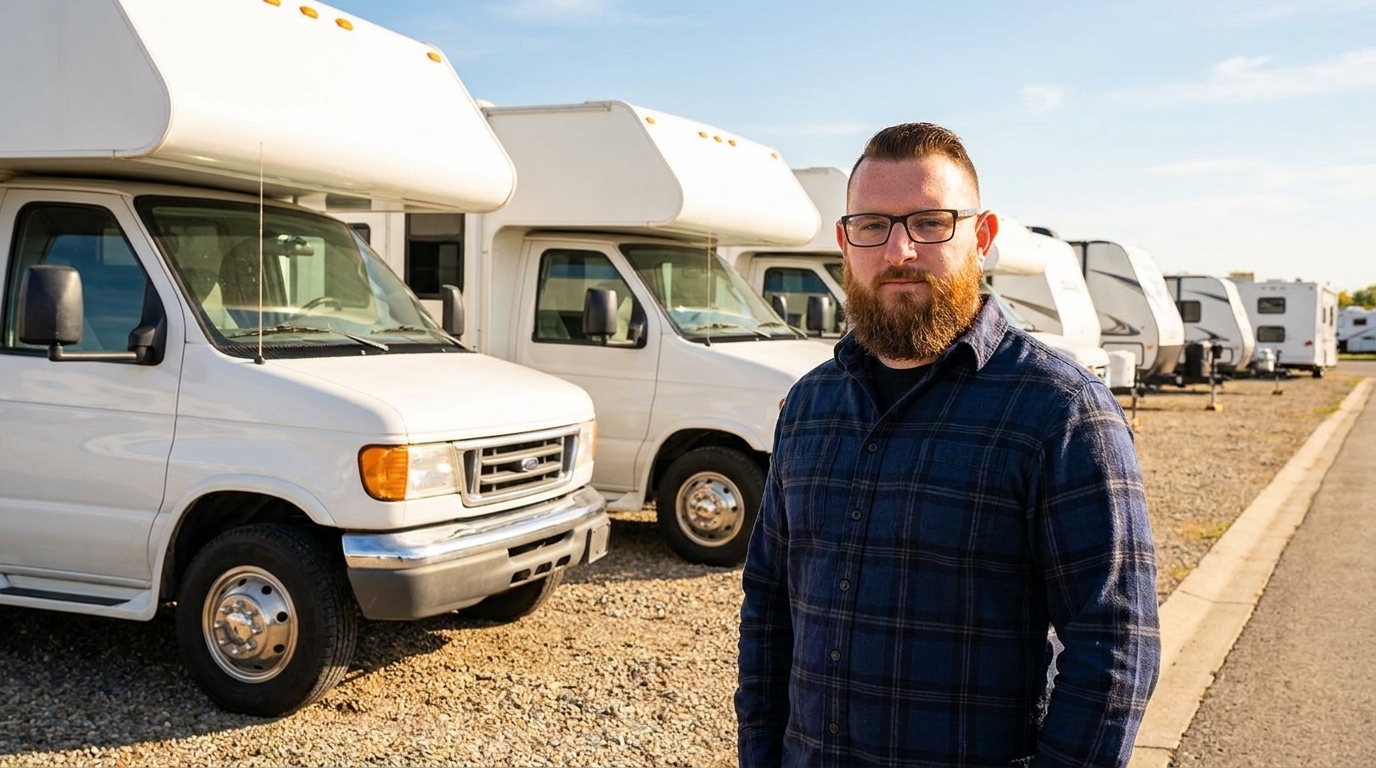
David Stillson, a multi-preneur from Fort Wayne, Indiana, has built a diverse portfolio of rental businesses, demonstrating how to leverage existing assets and identify niche markets with minimal capital. From reusable moving totes to RVs and even a podcast studio, David shares his journey and offers invaluable insights for aspiring entrepreneurs.
The Appeal of Small Rental Businesses
David emphasizes the inherent attractiveness of small rental businesses. Unlike traditional sales models that require continuous sourcing and selling of new products, rentals allow entrepreneurs to leverage existing assets repeatedly. This model significantly reduces capital requirements for entry and generates a consistent stream of recurring revenue. "You have an asset that you can rent out again and again. You're not selling something and then you have to go source more goods," David explains. This asset-based approach, coupled with low overhead, makes small rentals an ideal starting point for many.
Launching 'Totes on Loan': A Moving Solution
The genesis of David's first rental venture, "Totes on Loan," stemmed from a personal need. When preparing to move, he sought an alternative to flimsy, wasteful cardboard boxes. His research revealed the existence of reusable moving tote rental services in larger cities like Chicago and Indianapolis, but none in his local Fort Wayne market. Recognizing this gap, David saw an immediate opportunity.
A quick profitability analysis, even with the help of ChatGPT, confirmed the low cost of goods (COGS) and high viability. He purchased his initial inventory—120 industrial-grade totes at about $12 a piece—and launched a simple website. His entrepreneurial philosophy was clear: "Worst case, we have totes for the rest of our lives... best case, the thing takes off and we need to go buy more totes." The concept quickly validated itself when they oversold their initial inventory, necessitating an immediate purchase of another 120 totes.
Marketing Totes: Leveraging Local Networks
While initial attempts at online marketing with AI-generated images on Facebook Marketplace yielded slow results, David soon discovered the power of local networking. He and his wife strategically engaged with realtors and moving companies in Fort Wayne. A key resource was "Real Producers," a local magazine that highlights top-performing real estate agents and hosts regular networking events.
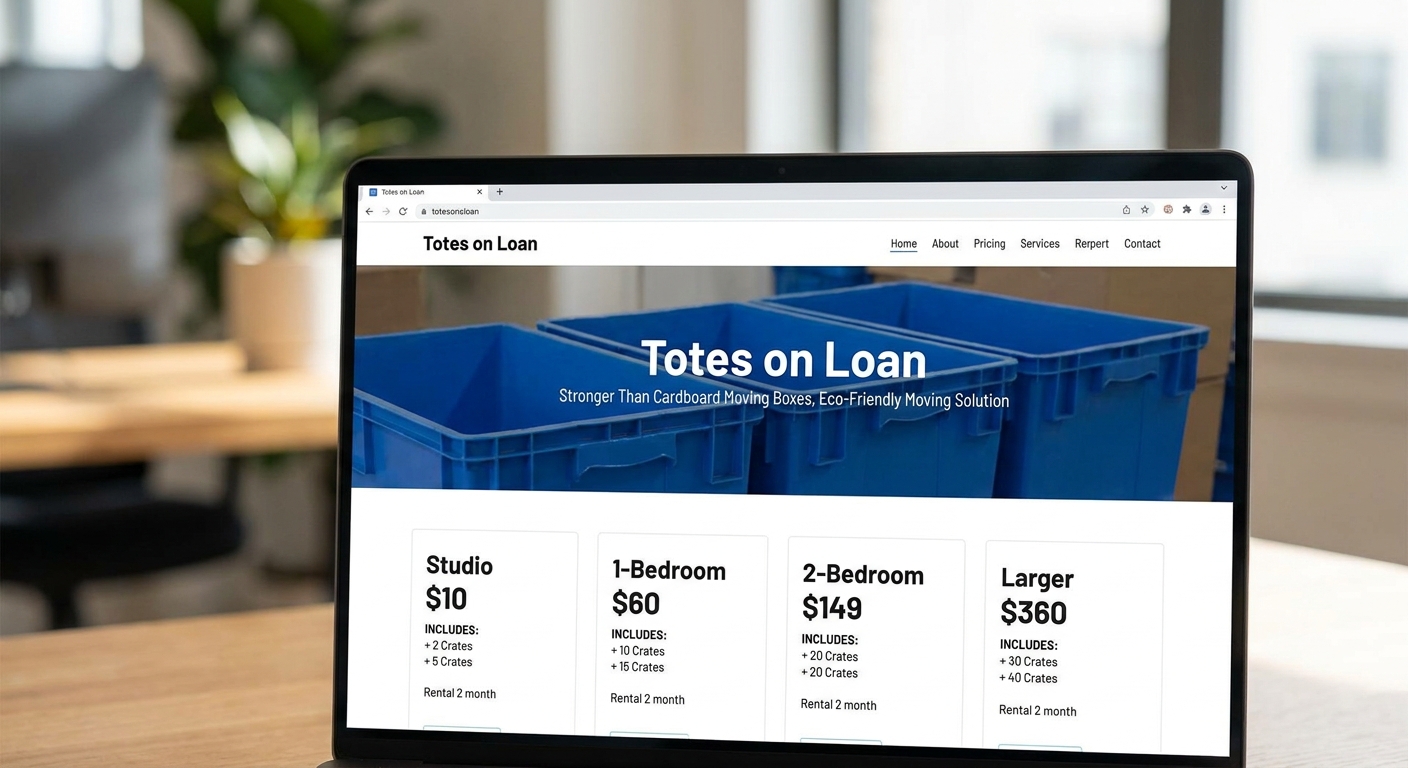
David's wife attended these events, forging connections that led to a pivotal idea: a realtor gifting program. Realtors could subscribe to "Totes on Loan" at a discounted monthly rate (e.g., $60 instead of $99 for 20 totes) to provide reusable moving boxes as a closing gift to their clients. This "hands-off" solution for realtors, coupled with "Totes on Loan" handling all delivery and and pickup, proved incredibly popular. The company even developed a custom claim portal for realtors to manage their credits and gift orders. This targeted, relationship-based marketing approach quickly gained traction and became a significant source of recurring revenue.
Expanding into RV Rentals: Lessons Learned
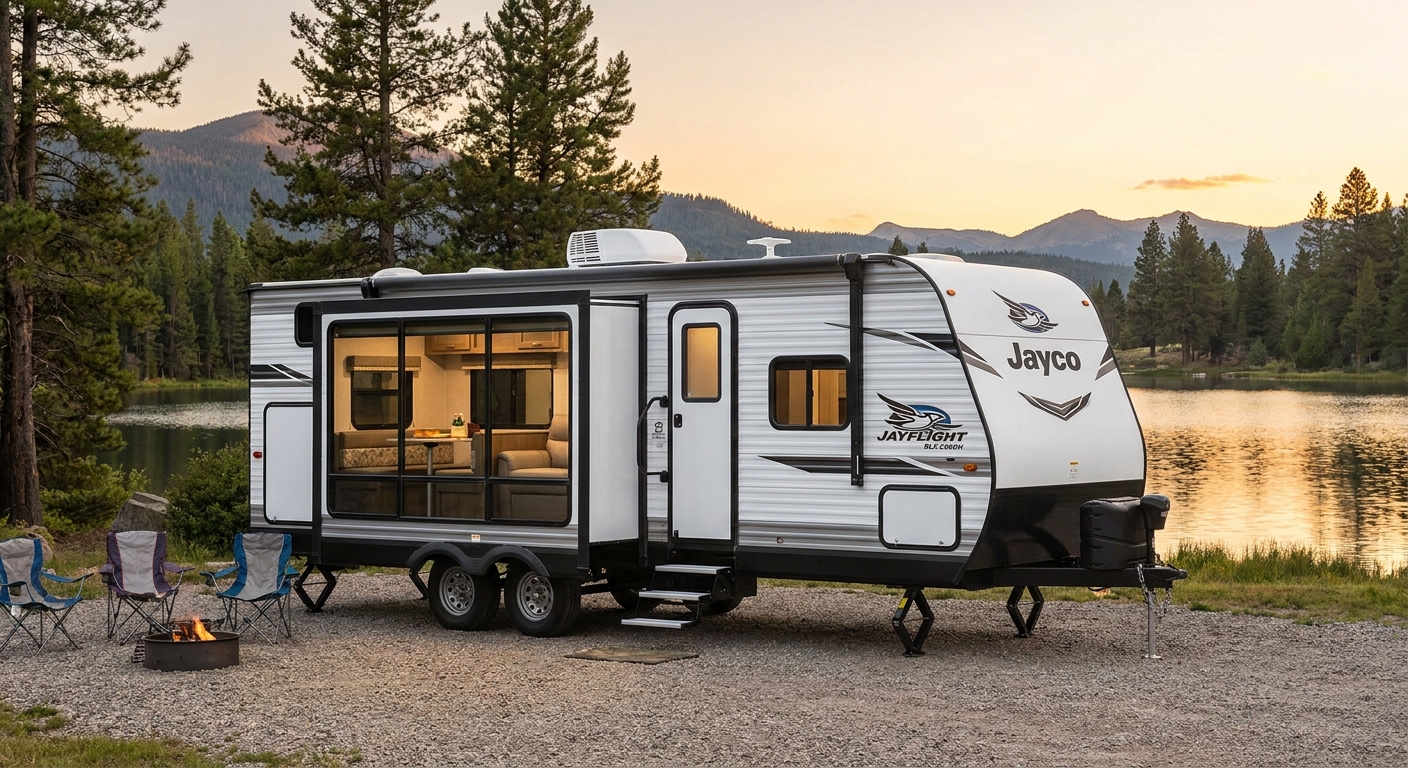
David's journey into RV rentals also began with personal use. He purchased an Ember pull-behind RV, financing it for approximately $400 a month. Joining an online Facebook group for RV rental owners, he quickly received a crucial piece of advice: "Don't rent your own." This led him to acquire a second RV, a Jayco J Flight travel trailer, specifically for business, also financed for around $400 a month.
His first business rental came within weeks. David conducted thorough market research, analyzing listings on platforms like Outdoorsy and RVshare to understand local pricing and demand. He discovered that bunkhouse models were top sellers, appealing to families and larger groups. A key lesson learned was the importance of minimizing potential failure points: he opted for RVs without slide-outs, which are notorious for mechanical issues and water leaks. By focusing on "delivery" rentals, where he handles setup at the campsite, David significantly reduced risks for both himself and his renters.
The Sweetwater Connection: A Podcast Studio Opportunity
Leveraging his lifelong passion for music and a background in video production, David established a podcast studio. Living in Fort Wayne, home to Sweetwater—the largest retail music store in North America—presented a unique market. Sweetwater employs hundreds of sales engineers, many of whom have their own recording setups. David positioned his studio to cater to this local talent, offering high-quality video recording alongside audio production. Services include live band demos for social media, podcast recordings, mixing, and mastering. This venture, while currently a side hustle, has already generated up to $2,000 in a good month, including producing an audiobook for an author who preferred a human voice over AI. David aims to further position the studio as a go-to space for bands seeking professional video content.
Key Takeaways for Aspiring Rental Entrepreneurs
David's diverse experiences offer several universal lessons for new entrepreneurs:
- Start Lean: Begin with minimal capital and scale as demand grows.
- Identify Niches: Look for unmet needs or underserved markets.
- Validate Demand: Use low-cost methods like online listings to test interest before significant investment.
- Network Locally: Build strong relationships with complementary businesses.
- Prioritize Customer Experience: Offer convenience and "hands-off" solutions.
- Minimize Risk: Choose durable, low-maintenance assets and implement clear agreements.
- Seek Mentorship: Don't hesitate to ask experienced entrepreneurs for advice; many are willing to help.
Scaling Challenges and Future Plans
While David is eager to expand, he acknowledges scaling challenges. His current HOA restrictions limit the growth of his RV fleet at home, pointing to the need for dedicated storage solutions. He is exploring a consignment model for RVs, partnering with other owners to split rental revenue without incurring direct purchasing costs. This strategy allows for expansion with less capital outlay and reduced personal risk. David's entrepreneurial journey exemplifies adaptability and a keen eye for opportunity, continually seeking ways to grow and diversify his rental empire.

Want more practical business ideas for the US market?
👉 Follow us on Facebook for daily ideas and tips.
👉 Save ideas on Pinterest — or get them by email.
Note: Comments are being moderated and may take a while to appear. There is no need to resubmit your comment.