From Zero to $32,000 in 2 Months: The Stump Grinding Side Hustle That Became a Full-Time Success
Want more practical business ideas for the US market?
👉 Follow us on Facebook for daily ideas and tips.
👉 Save ideas on Pinterest — or get them by email.
From Tech Job to Tree Stumps: Tyler's Journey
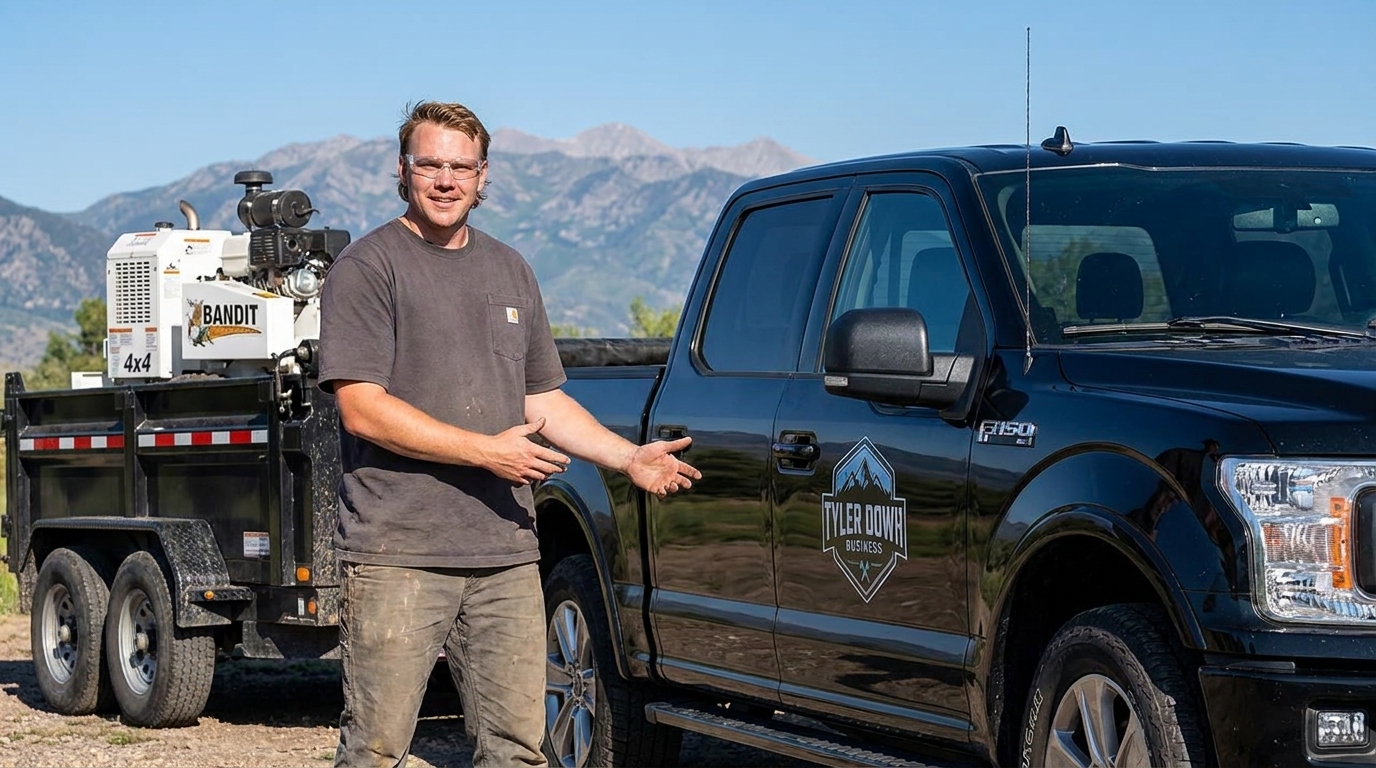
Tyler, a 28-year-old, was working a stable tech job when he stumbled upon a podcast discussing the profitability of a stump grinding business. Intrigued, he listened to the segment on repeat. This simple idea sparked an entrepreneurial fire, drawn by high demand, low overhead, and impressive profit margins. Just two months later, Tyler had quit his job and launched his own venture, achieving an impressive $26,000 in net profit without a single employee. His first month, while still working his full-time tech job, generated $9,000 in revenue—a powerful validation. The following month, fully dedicated, he saw that figure jump to $23,000, bringing his total earnings to $32,000 in just two months. This rapid ascent was the result of strategic planning, calculated risk, and relentless execution, proving the immense potential of a specialized service niche.
The Low-Risk Launchpad: Starting with Minimal Capital
Tyler's approach was a masterclass in low-risk entrepreneurship. He didn't sink significant capital into expensive equipment upfront. Instead, he rented a truck, trailer, and professional-grade stump grinder by the day, minimizing initial financial exposure. Daily rental for a grinder could be $300-$500, plus $50-$100 for a trailer. By carefully scheduling, he ensured rental costs were always covered, often yielding 70-80% margins. He generated $70,000 in revenue before investing in branding or Google My Business, prioritizing proof of concept. Tyler understood the inherent stability: quality equipment doesn't significantly depreciate. His worst-case scenario was to sell equipment and return to a traditional job, minimizing downside risk. With $20,000 in savings and his wife's support, he took the leap. After validating the concept, he invested in his own equipment: a high-performance stump grinder ($30,000 financed), a robust trailer ($5,000), and a reliable used pickup truck ($25,000). His initial fixed costs were manageable, around $2,000-$3,000 per month, including machine payment ($900), trailer payment ($170), truck payment ($490), commercial insurance ($150), fuel ($300-$500), and marketing. This structured approach allowed him to scale without excessive debt.
Mastering Marketing: The PRA Method for Customer Acquisition
Tyler's initial customer acquisition focused on subcontracting for tree companies, which he termed his "PRA Method" – Proactive Outreach, Referral Networks, and Agile Adaptation. He identified a key pain point: tree companies disliked grinding stumps due to additional equipment and workflow disruption. Tyler positioned himself as the seamless solution. His "Proactive Outreach" involved directly contacting local tree service companies, offering competitive rates for bulk work and guaranteed quick turnaround. This secured multiple ongoing contracts, providing a stable work base. For these partnerships, he typically charged a flat rate per stump or hourly, often yielding 50-60% profit margins.
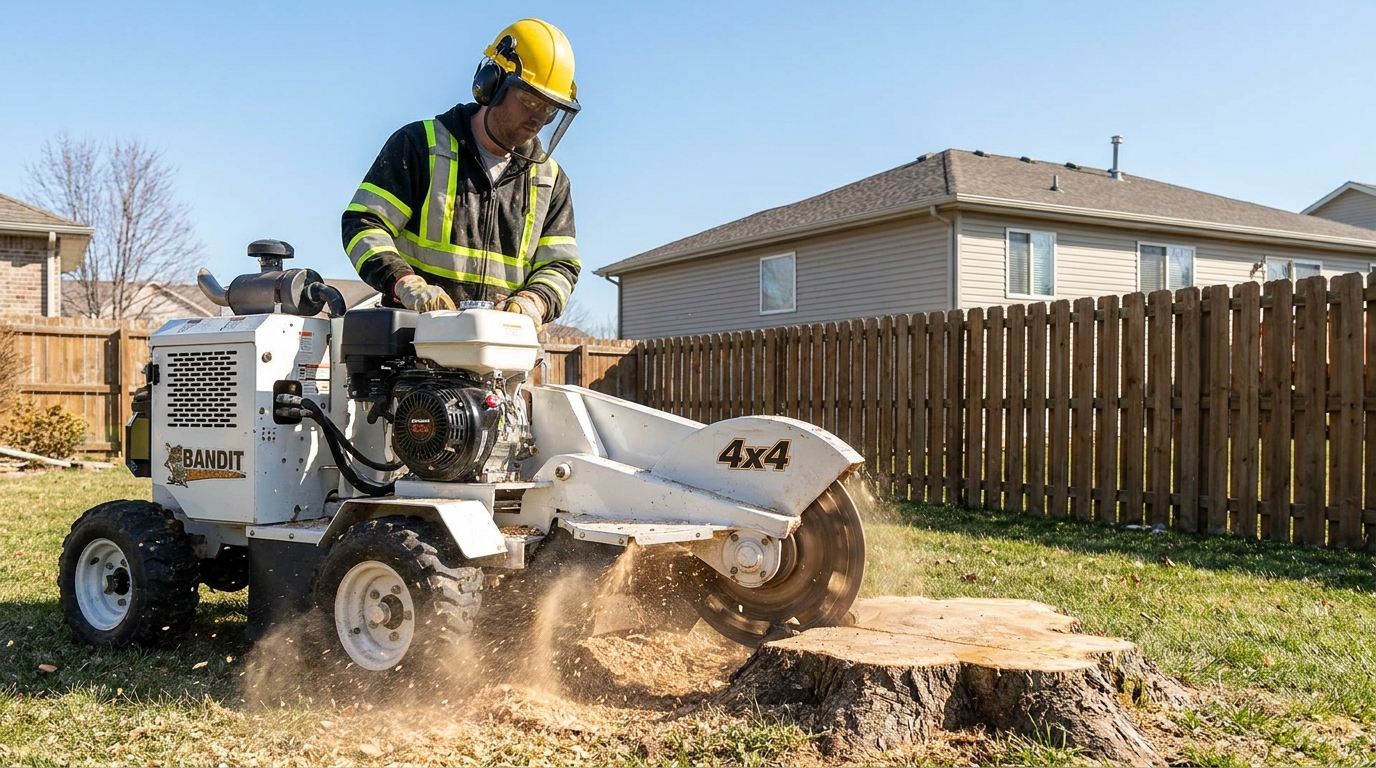
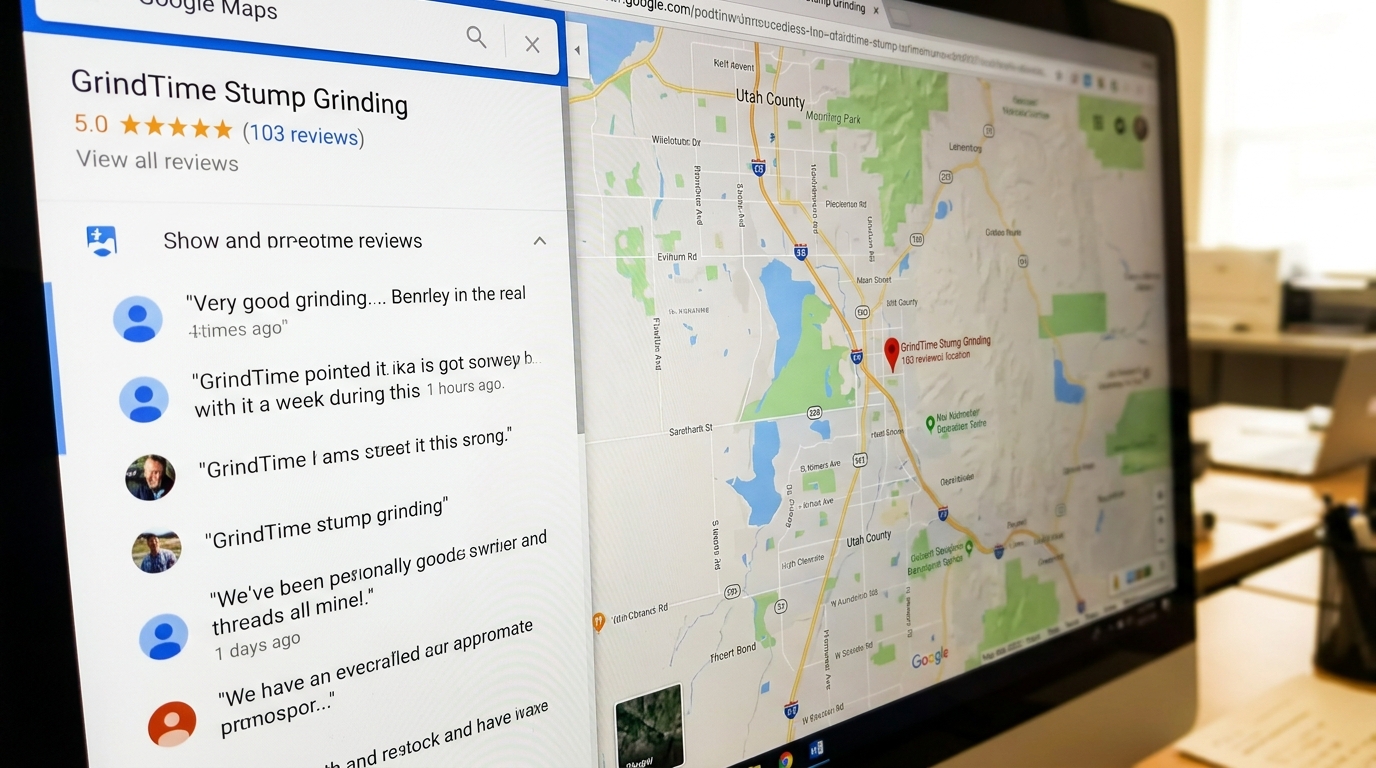
Simultaneously, he cultivated "Referral Networks." Satisfied tree companies became his best advocates, recommending him to others and directly to their clients. As his business matured, he engaged in "Agile Adaptation," shifting focus to direct-to-consumer marketing. Once financially stable, he invested in a professional Google My Business profile, optimizing it with photos and encouraging reviews. He also utilized targeted local Facebook ads and door hangers. Direct customer pricing was higher, often $150-$500 per stump, significantly boosting per-job profit. This multi-pronged approach ensured consistent leads and balanced high-volume subcontracting with higher-margin direct client jobs.
Overcoming Obstacles & Scaling Smartly
The path to full-time success wasn't without challenges. Tyler quickly learned that operating heavy machinery in varying terrains presented obstacles like minor equipment breakdowns, emphasizing preventative maintenance. Weather also impacted efficiency, leading to a flexible scheduling system and transparent client communication. The job's physical demand was another hurdle; he countered this by investing in ergonomic tools, maintaining work-life balance, and optimizing workflow. He also learned to decline "bad jobs" with difficult access or unreasonable expectations, focusing on profitable projects.
Scaling smartly meant maximizing output without immediate employee overhead. He achieved this through several key strategies. First, route optimization grouped jobs geographically, minimizing travel time and fuel costs. Second, he continually refined his grinding technique, reducing time per stump while maintaining quality. Third, he strategically raised prices as demand grew and reputation solidified, ensuring each job contributed more significantly to his bottom line. He also invested in a larger, more powerful stump grinder after initial success. This upgrade enhanced productivity and expanded service capacity without adding headcount, building a robust foundation as a solo operator.
Future Plans: Growth, Freedom, and Entrepreneurial Evolution
Looking ahead, Tyler envisions a future balancing growth with personal freedom. His immediate plans include expanding his equipment fleet: a second, smaller grinder for tighter access, and potentially a larger, track-mounted machine for commercial contracts. This strategic investment would allow him to take on a wider variety of projects and potentially operate two crews simultaneously. While he has successfully operated solo, the next logical step involves carefully hiring and training his first employee, focusing on dedication to quality and service. This expansion aims to build a scalable operation that can eventually run with less direct day-to-day involvement, providing true entrepreneurial freedom.
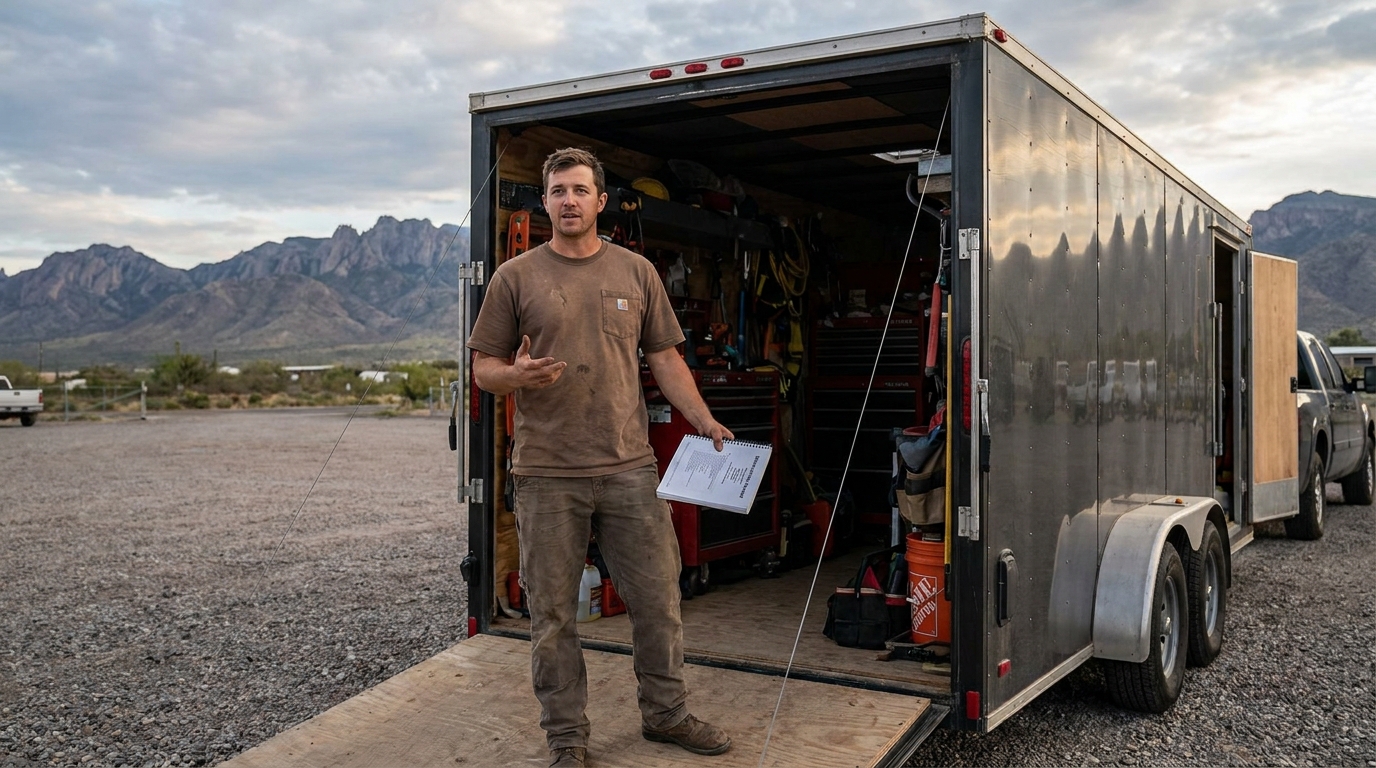
Beyond stump grinding, Tyler sees this venture as a launchpad for further entrepreneurial evolution, exploring complementary services like land clearing. The business has afforded him financial independence and flexibility, allowing him to set his own hours and spend more time with family. His advice to aspiring entrepreneurs is clear: "Start small, validate your idea, and don't be afraid to get your hands dirty. The biggest risk is often inaction." He emphasizes understanding market pain points, offering clear solutions, and relentlessly focusing on customer satisfaction. Tyler's journey is a testament to identifying a niche, executing a low-risk launch, and consistently delivering value—a blueprint for thriving success.
Want more practical business ideas for the US market?
👉 Follow us on Facebook for daily ideas and tips.
👉 Save ideas on Pinterest — or get them by email.
Note: Comments are being moderated and may take a while to appear. There is no need to resubmit your comment.