Successful Farming: What it Takes to Become a Farmer from Scratch

Want more practical business ideas for the US market?
👉 Follow us on Facebook for daily ideas and tips.
👉 Save ideas on Pinterest — or get them by email.
Turn idea into action
Calculate a business plan for this idea
Log in to generate a plan from this idea. We will reuse the article's niche and context; you only add your market location.
Log in to calculateFirst and foremost, to start a farm, you need to understand a few things:
- Farming is just like any other business, requiring an interesting idea, investment, and hard work to achieve goals.
- Farming carries a high level of risk related to livestock health, weather, market prices, and storage requirements for finished products.
- An experienced or large farmer always aims to expand the range of activities.
- You must love what you do.
- Setbacks or long payback periods are part of the development process.
Where Can You Make Money?

The key focus for a farmer when choosing a farming direction should be the market and the working conditions. To make your project profitable, it's essential to carefully craft a business plan well in advance and spend 1-2 years aligning it with partners, family, and future employees.
The Most Promising and Profitable Types of Farming Include:
- Plant-based oils - easily scalable with minimal investment.
- Beekeeping - a stable, interesting, and profitable business that can be a primary or supplemental income source.
- Medicinal herbs - a great way to earn money by cultivating, harvesting, or processing herbs, either on order or under your own brand.
- Cattle farming (sheep farming) - a traditional type of peasant farming that remains highly profitable today due to the active consumption and high cost of meat products.
- Mushroom cultivation - steady high income potential with the right approach.
- Raising rabbits, poultry, nutrias - appealing due to zero waste production.
- Exotic animal or plant breeding.
- Crab, fish farming - requires a pond or aquaculture system, but profitability is high.
- Cultivating traditional agricultural crops.
- Horticulture and flower cultivation.
How to Start a Farm?

- Choose a location suitable for your farm's activities. The land should match your business type. For grain cultivation, fertile soil is essential, and it's wise to plan an irrigation system in advance. Certain regulations prohibit placing livestock farms close to populated areas.
- Decide on a water source - crucial for operations. Before buying or renting a farm property, ensure essential utilities such as gas, water, and electrical power meet your requirements.
- Legally establish your activities, prepare documents for approval by local authorities.
- Understand the requirements for government subsidies. Some risky types of farming benefit from governmental support.
- Determine where you will sell your products. You should be able to deliver goods to buyers or end consumers.
- Create a detailed business plan, consult experienced farmers, ideally within your field, and seek feedback from specialists.
What Are the Financial Expenses?
- Construction or rental of buildings.
- Purchase or lease of land for operations.
- Acquisition of livestock, seedlings, or grains.
- Procurement of agricultural machinery, vehicles.
- Investment in inventory or equipment for crop processing.
- Costs for a veterinarian, insecticides, pesticides, vaccines.
- Feeds, fertilizers, vitamin supplements.
- Wages for workers if employed.
- Maintenance of retail sales outlets (if applicable) and setting up online sales.
- Expenditures for infrastructure development.

Despite the initial expenses, farming remains a progressive field. The demand for products and the lucrative nature of the agricultural sector contribute to its resilience. Even consecutive global economic crises have only reinforced farmers' positions worldwide.
Initial Capital and Funding
Starting a farm from scratch is challenging. You need land and initial investments for cultivation or livestock acquisition. Many farmers start out with experience from family farms or previous farm work. It typically takes several years to break even, during which additional financial injections are needed to support the growing business.

Based on your business plan, determine the sum required to start. You can obtain startup funds from:
- Family, friends, or interested parties.
- By liquidating your savings.
- Governmental agricultural funding or specific forms of credit for farmers.
- Banks, by presenting a complete set of documents and a detailed business plan.
Farming is often a family business that requires careful risk assessment. Financing typically supports farm development, equipment purchases, and additional construction when necessary.
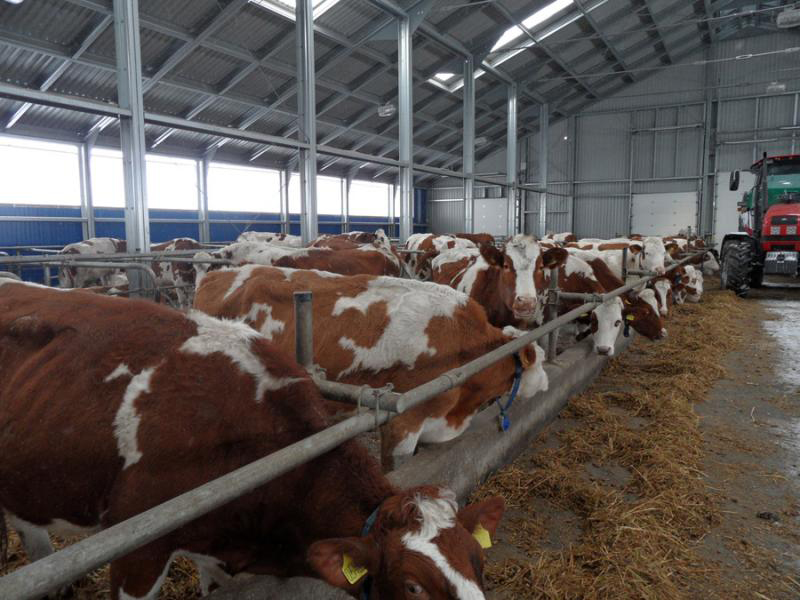
The larger the scale of your farming activities, the more investment will be needed. It's advisable to start with a small operation that can quickly recoup expenses. With accurate expense forecasting, some farmers start generating income within a year or after the first harvest. You can even profit from selling imperfect vegetables.
Farming remains a risky business subject to seasonal influences, competition, fluctuations in demand, and market loss. However, it's an engaging pursuit that offers satisfaction and fulfillment in work and life.

If you enjoyed this content, be sure to share it on social media to inspire your friends and acquaintances to pursue their dreams.
Want more practical business ideas for the US market?
👉 Follow us on Facebook for daily ideas and tips.
👉 Save ideas on Pinterest — or get them by email.
Note: Comments are being moderated and may take a while to appear. There is no need to resubmit your comment.