Estate downsizing digital cataloger business idea for 2026
Want more practical business ideas for the US market?
👉 Follow us on Facebook for daily ideas and tips.
👉 Save ideas on Pinterest — or get them by email.
Turn idea into action
Calculate a business plan for this idea
Log in to generate a plan from this idea. We will reuse the article's niche and context; you only add your market location.
Log in to calculateWhy Estate Downsizing is a Prime Business Idea for 2026
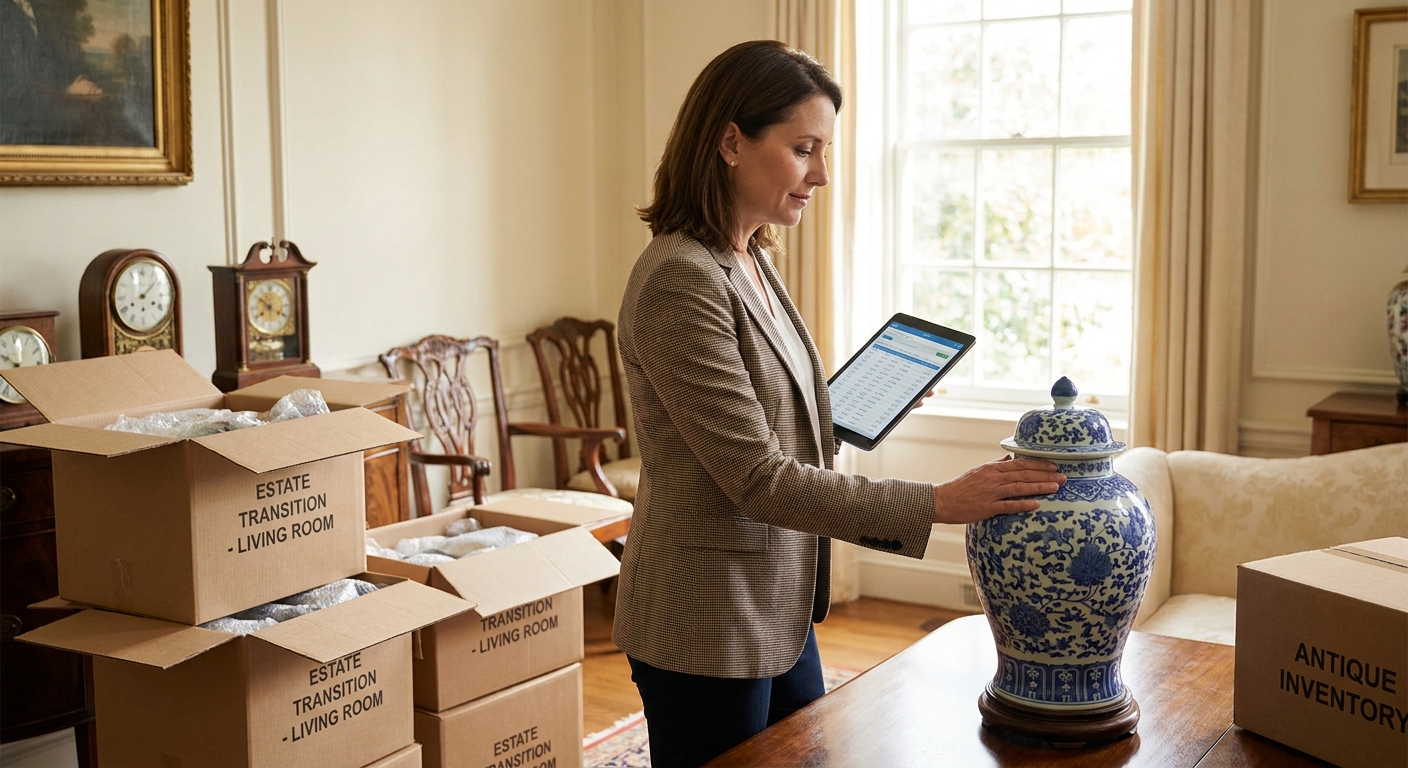
As baby boomers age, a massive wave of housing transitions is occurring across the United States and Europe. This demographic shift makes the estate downsizing digital cataloger business idea for 2026 incredibly timely. When seniors move to assisted living, they leave behind decades of possessions. This creates logistical stress for adult children who need remote visibility of family assets. By providing a clear digital inventory, you bridge the geographical gap and alleviate the emotional burden of sorting through memories.
What Exactly Does a Digital Cataloger Do?
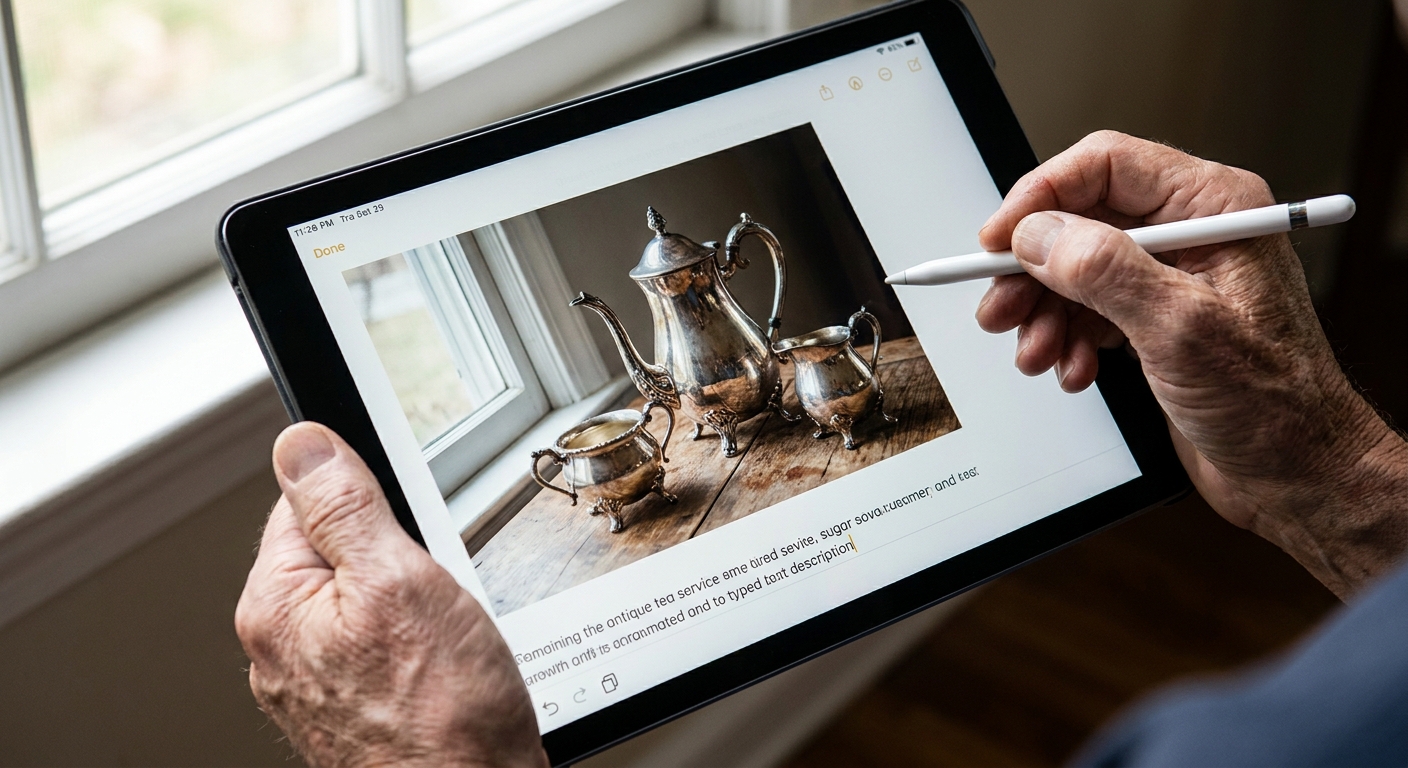
A digital cataloger transforms a chaotic household into an organized digital database. You visit the client's home and systematically document their belongings. You take high-quality photographs of furniture, artwork, and collectibles. Alongside these images, you write detailed descriptions including dimensions, condition, and brand names. This data is compiled into a cloud-based spreadsheet using Airtable or Notion. Families can log in from anywhere to claim heirlooms, while executors use the file to coordinate with liquidators.
Target Audience: Who Benefits from This Service?
The primary clients are the adult children of aging parents. These mid-career professionals lack the time or proximity to spend weeks sorting through a childhood home and will pay for convenience. Another key audience includes seniors proactively organizing their estates to prevent future burdens. Additionally, probate attorneys frequently require accurate household inventories. By targeting these groups, you position your business as an essential administrative partner, selling family harmony and preventing disputes over heirlooms.
Realistic Startup Costs and Essential Gear
This venture offers a remarkably low barrier to entry. Realistic startup costs range between five hundred and one thousand dollars, assuming you own a modern smartphone with a high-resolution camera. Essential gear includes a sturdy tripod for consistent framing, a portable LED lighting kit for dark rooms, and a measuring tape. You will need a subscription to a cloud database tool, costing around thirty dollars monthly. A basic website and liability insurance account for the remainder of your budget, keeping financial risk minimal.
Your First 14 Days: Setting Up the Business
Dedicate your first two weeks to establishing a workflow and building a credible portfolio. Select your inventory software and create a template with fields for item name, dimensions, condition, and photos. Test this by cataloging a room in your own home. This helps you gauge process times and develop a profitable pricing model, whether charging hourly or a flat fee per room. Next, register your business, secure a domain, and build a clean website. Use your sample catalog as a demonstration so potential clients see the exact deliverable.
How to Land Your First 3 Customers
Acquiring initial clients requires targeted local networking. Start by reaching out to senior move managers and professional organizers. They are often overwhelmed by cataloging and eagerly outsource this task. Next, introduce yourself to real estate agents specializing in downsizing. When they list a property, the home must be cleared, making your service a perfect recommendation. Finally, contact community coordinators at upscale assisted living facilities. Building trust with these referral partners is the fastest pathway to revenue.

Expanding Your Services: Estate Sales and Appraisers
Once you establish a steady client base, expand your model through strategic partnerships. A digital inventory is incredibly valuable for estate sale companies and auction houses. By granting them access, they can determine if a home warrants a full sale without a site visit. You can negotiate referral fees for passing qualified leads to these liquidators. Furthermore, collaborate with certified appraisers who can perform desktop appraisals using your photos. This transforms your business into a hub for estate transition management.
Want more practical business ideas for the US market?
👉 Follow us on Facebook for daily ideas and tips.
👉 Save ideas on Pinterest — or get them by email.
Note: Comments are being moderated and may take a while to appear. There is no need to resubmit your comment.