Home IT Declutterer business idea for 2026
Want more practical business ideas for the US market?
👉 Follow us on Facebook for daily ideas and tips.
👉 Save ideas on Pinterest — or get them by email.
Turn idea into action
Calculate a business plan for this idea
Log in to generate a plan from this idea. We will reuse the article's niche and context; you only add your market location.
Log in to calculateThe modern home, while a hub of comfort and connection, has simultaneously become a tangled web of technology for many. From smart thermostats to multiple streaming devices, Wi-Fi extenders, and a myriad of charging cables, the average American household is grappling with unprecedented levels of IT clutter and inefficiency. This pervasive challenge creates a unique and timely opportunity for a specialized service, making the Home IT Declutterer a compelling business idea for 2026.
The Problem: Home IT Chaos
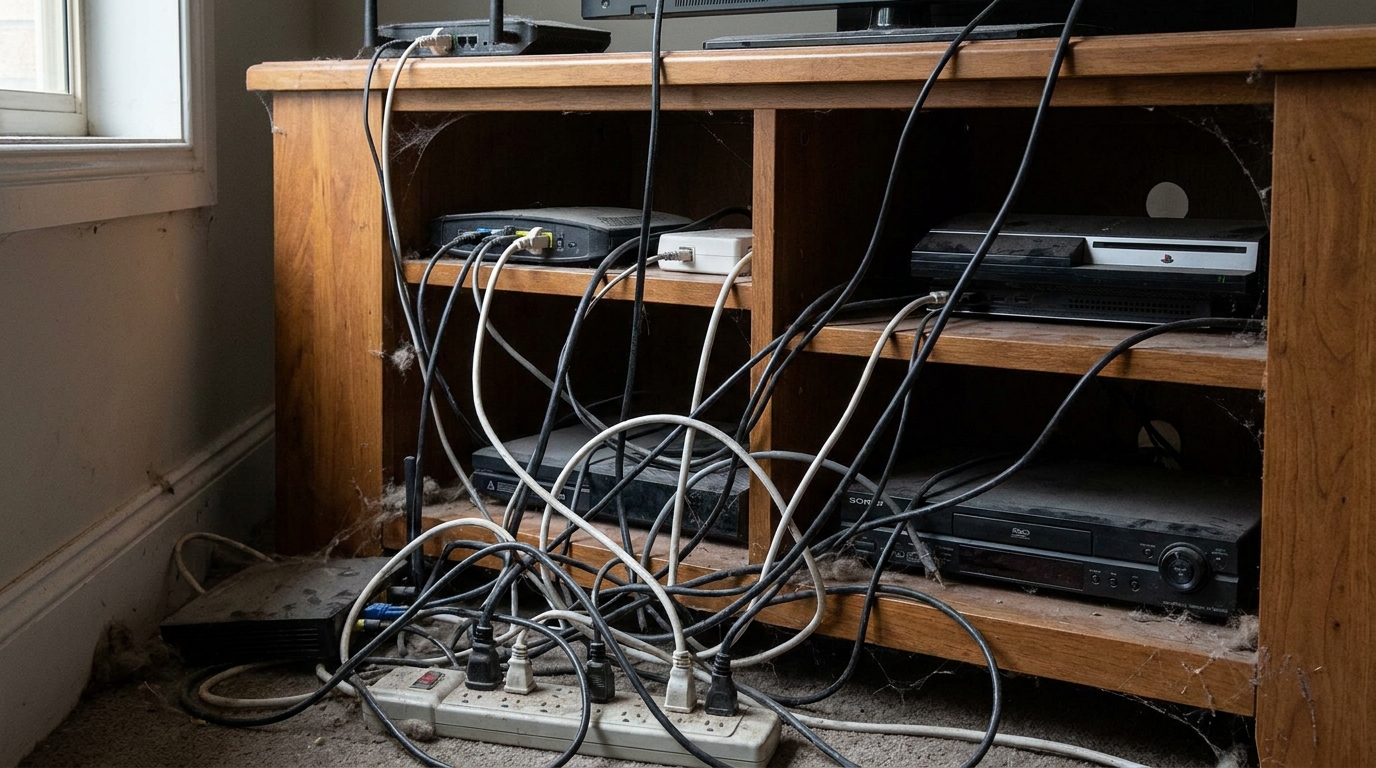
Imagine a living room where the television’s cables resemble a bowl of spaghetti, a home office struggling with patchy Wi-Fi, or a family’s precious digital photos scattered across various devices with no clear backup strategy. These scenarios are not uncommon. As technology rapidly advances and more devices integrate into daily life, many individuals and families, particularly those who are not tech-savvy, find themselves overwhelmed. They face slow internet, confusing smart home setups, unorganized data, and a general sense of frustration with their home technology. This digital disarray can lead to wasted time, security vulnerabilities, and a significant amount of stress, highlighting a clear need for professional intervention.
What is a Home IT Declutterer?
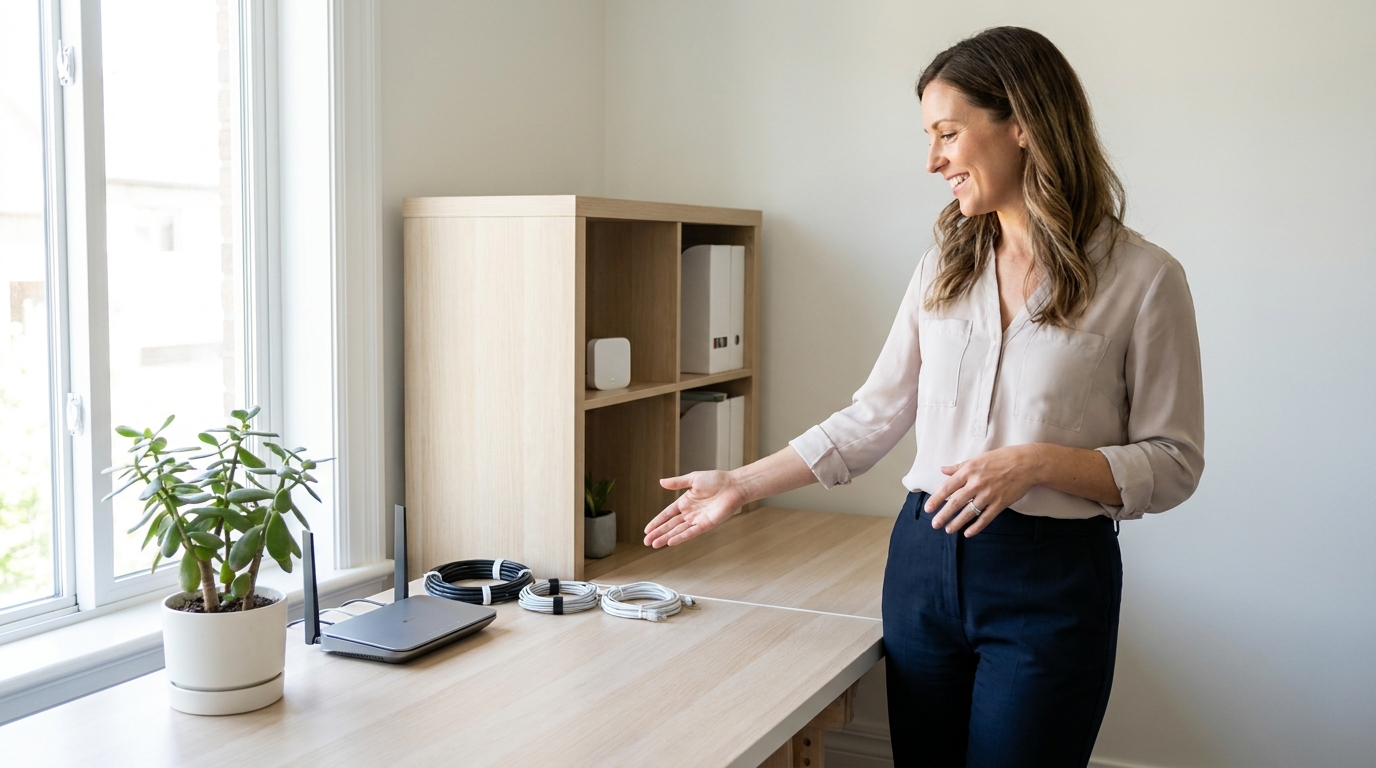
A Home IT Declutterer is essentially a personal technology organizer and optimizer. You would serve as a patient, practical assistant dedicated to transforming chaotic home IT environments into streamlined, efficient, and user-friendly systems. Your role extends beyond simple troubleshooting; it involves a holistic approach to home technology management. This means untangling physical cables, optimizing network performance, organizing digital files, setting up new devices correctly, and educating clients on how to maintain their newly decluttered setup. The goal is to make technology work seamlessly for the homeowner, reducing their stress and maximizing their digital comfort and productivity.
Services You Can Offer
- Wi-Fi Network Optimization: Assessing router placement, installing mesh Wi-Fi systems or extenders, troubleshooting connectivity issues, and ensuring optimal speed and coverage throughout the home.
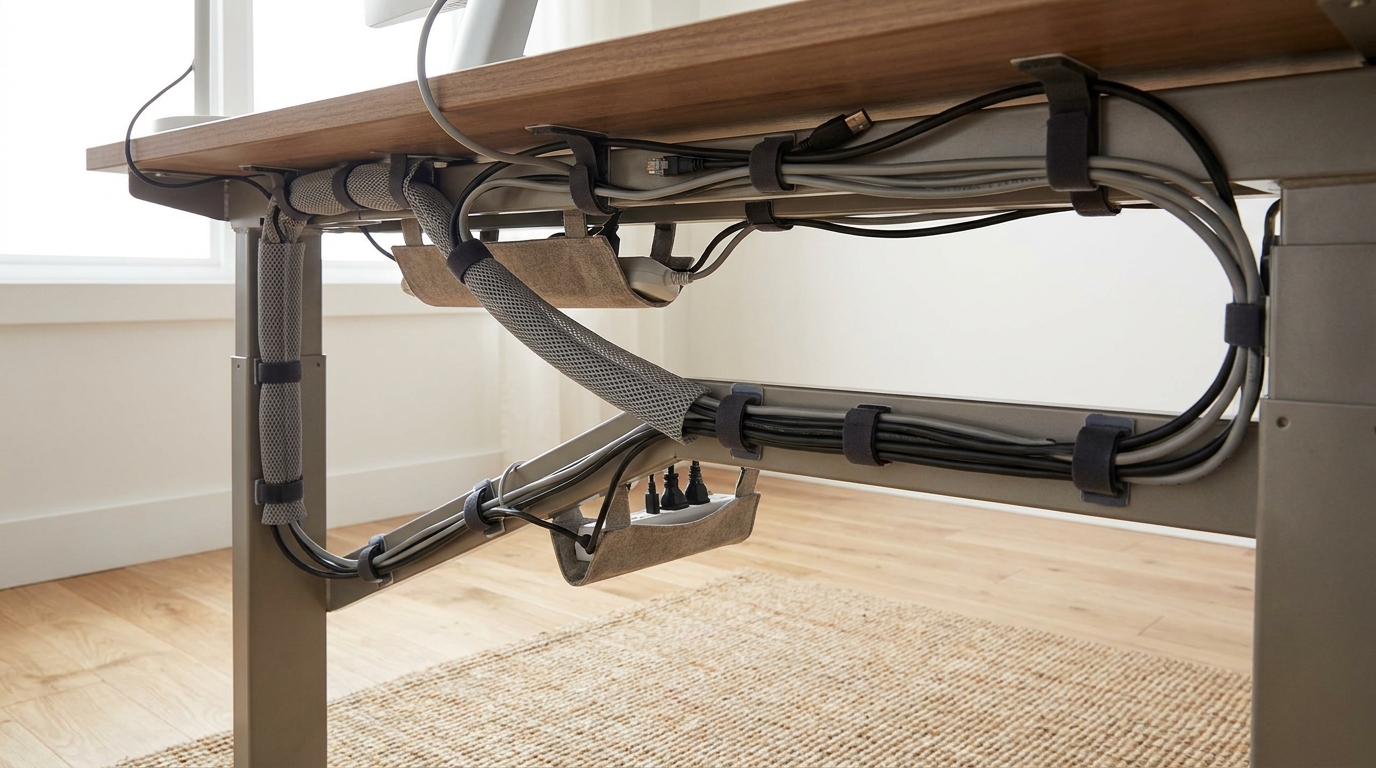
- Cable Management: Taming the "cable monster" behind entertainment centers, desks, and charging stations using ties, sleeves, and discreet routing solutions.
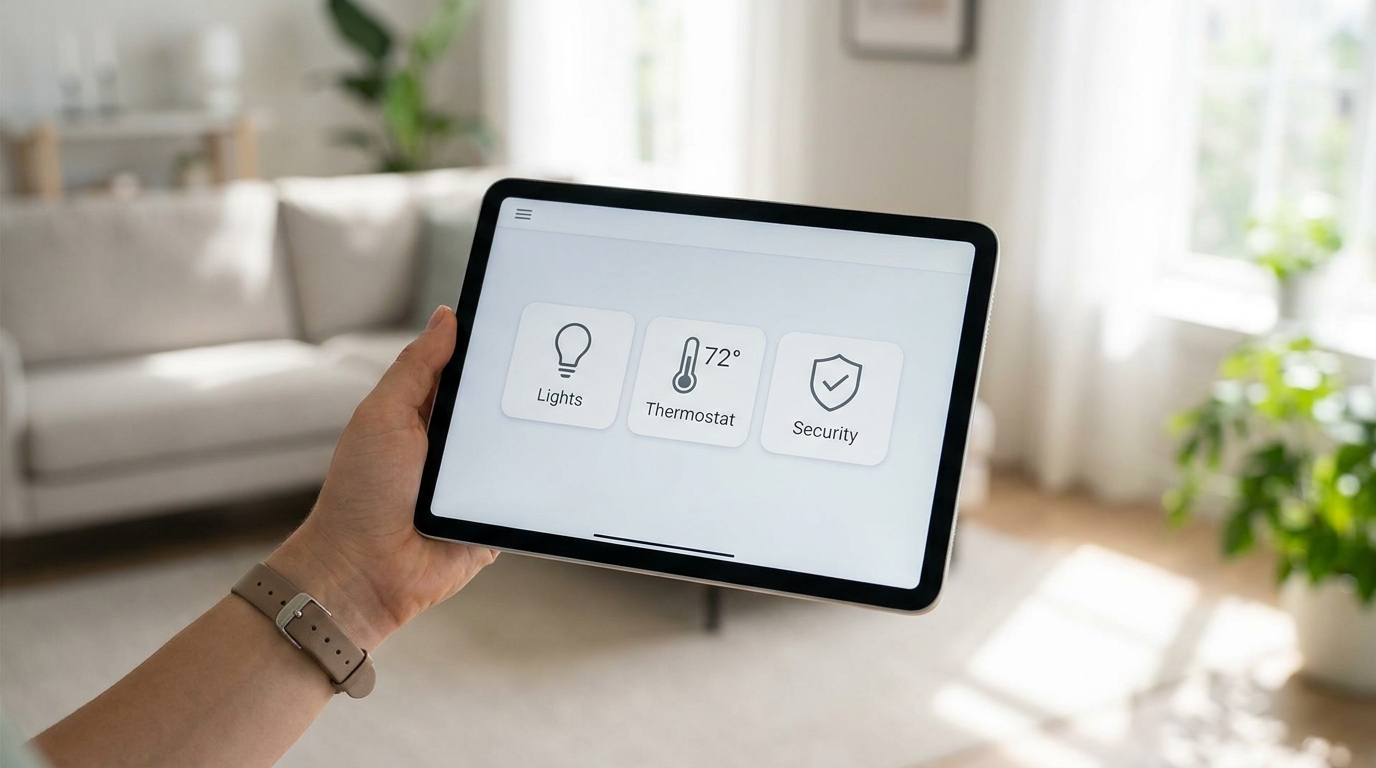
- Smart Home Device Setup and Integration: Installing and configuring smart thermostats, lighting systems, security cameras, voice assistants, and ensuring they all communicate effectively.
- Data Backup and Organization: Implementing reliable backup solutions (cloud storage, external hard drives), organizing digital photos and documents, and setting up automated backup routines.
- Device Setup and Configuration: Assisting with the initial setup of new computers, printers, scanners, streaming devices, and other peripherals.
- Software Organization and Updates: Helping clients manage their software, uninstall unnecessary programs, and ensure critical updates are installed.
- Basic Cybersecurity Guidance: Advising on password managers, setting up secure Wi-Fi, and recommending reputable antivirus software.
- Digital Photo & Video Archiving: Consolidating, organizing, and backing up cherished memories from various devices.
Startup Costs and Equipment
One of the appealing aspects of this business idea is its relatively low barrier to entry regarding startup costs. You can typically launch a Home IT Declutterer service with an initial investment ranging from approximately $500 to $2,000 USD. Key expenses include:
- Essential Toolkit: A basic set of screwdrivers, cable ties, Velcro straps, cable management sleeves, a label maker, and a small headlamp for working in tight spaces (approx. $100-$200).
- Diagnostic & Client Management Tools: A reliable laptop or tablet for network diagnostics, client scheduling, and invoicing software (you likely already own one, but budget $0-$500 if purchasing a new entry-level device).
- Transportation: Reliable vehicle to travel to client homes (existing asset).
- Business Insurance: General liability insurance is crucial for protecting yourself against potential claims while working in clients' homes (approx. $300-$500 annually).
- Marketing Materials: Professional business cards, a simple website or a strong Google Business Profile, and potentially some local flyers (approx. $50-$200).
- Legal & Administrative: Business registration fees (e.g., LLC formation, sole proprietorship), which vary by state but typically range from $50-$500.
By leveraging existing equipment and focusing on essential tools, you can keep initial expenditures manageable.
Your First 14 Days: Launching Your Business
The first two weeks are critical for laying a solid foundation for your Home IT Declutterer business:
- Days 1-3: Legal & Administrative Setup. Register your business (e.g., as a Sole Proprietorship or LLC) with your state and local authorities. Obtain an Employer Identification Number (EIN) from the IRS if required. Secure general liability insurance to protect yourself and your clients.
- Days 4-7: Define Services & Pricing. Clearly outline the specific services you will offer and develop transparent pricing models (hourly, package, or project-based). Create a simple, professional online presence – this could be a basic website, a dedicated social media page, or, most importantly, a fully optimized Google Business Profile.
- Days 8-10: Essential Tools & Branding. Purchase any necessary tools and supplies that you don't already own. Design and order professional business cards. Craft a clear, concise elevator pitch that explains your service and its benefits.
- Days 11-14: Initial Outreach & Practice. Reach out to your immediate network – friends, family, and neighbors. Offer a discounted or free "beta" service in exchange for honest feedback and testimonials. This is invaluable for building confidence and gathering initial social proof. Practice your service delivery and client communication.
Attracting Your First Customers in the US
Securing your initial client base in the United States requires a focused, local approach:
- Local SEO & Google Business Profile: Optimize your Google Business Profile with accurate service descriptions, operating hours, and service areas. Encourage those initial "beta" clients to leave positive reviews. Many US customers search for local services via Google Maps.
- Community Engagement: Post in local Facebook groups (e.g., "Moms of [Your Town]", "Senior Community [Your County]"), neighborhood forums like Nextdoor, and physical community boards in libraries, coffee shops, and senior centers.
- Word-of-Mouth & Referrals: Offer a small discount or bonus to clients who refer new business. Happy customers are your best marketing tool.
- Strategic Partnerships: Connect with local real estate agents (who can recommend you to new homeowners), professional home organizers (who often encounter IT clutter), and senior care providers or retirement communities.
- Targeted Flyers/Postcards: Design simple, clear flyers highlighting your services and contact information. Distribute them in affluent neighborhoods, community centers, and places frequented by your target demographic (seniors, busy professionals).
To get your first three customers, consider offering an introductory "Home IT Assessment" at a reduced rate or even complimentary for the first few clients. This allows you to demonstrate value and build trust, converting them into paying customers and valuable sources of testimonials.
Pricing Your Services
Setting your pricing requires balancing perceived value with market rates. In the US, Home IT Declutterer services can typically be priced using a few common models:
- Hourly Rate: This is straightforward for ad-hoc tasks. Depending on your location (e.g., rural vs. major metropolitan area) and expertise, hourly rates can range from $50 to $100+ per hour. Be transparent about minimum service call times (e.g., 1-hour minimum).
- Package Deals: Offer fixed-price packages for common services. Examples include a "Basic Wi-Fi Tune-up" ($150-$250), a "Cable Management Makeover" ($200-$400, depending on scope), or a "Smart Home Starter Pack" ($300-$600, including setup of 3-5 devices). This provides clarity and value to the customer.
- Project-Based Pricing: For larger, more complex undertakings like a full home IT overhaul, provide a custom quote after an initial assessment. This ensures you account for all variables and the client understands the total investment upfront.
Always emphasize the value you bring: saving clients time, reducing their stress, and improving their daily interaction with technology. Research local competitors' pricing to ensure you are competitive yet profitable.
Scaling and Future Opportunities
Once you've established a solid client base, the Home IT Declutterer business offers numerous avenues for growth and expansion:
- Hiring Additional Technicians: As demand grows, you can hire and train other patient, tech-savvy individuals to expand your service area or increase capacity.
- Specialization: Deepen your expertise in specific niches, such as advanced smart home automation, robust home office network solutions, or comprehensive data security and privacy services.
- Subscription & Maintenance Plans: Introduce recurring revenue streams by offering monthly or quarterly "IT Health Check-up" plans, providing ongoing support, updates, and proactive maintenance.
- Product Sales & Installation: Become an authorized reseller or installer for recommended hardware, such as mesh Wi-Fi systems, network-attached storage (NAS) devices, or smart home gadgets, earning additional revenue through product margins.
- Workshops & Education: Host local workshops or online webinars on topics like "Understanding Your Wi-Fi" or "Basic Data Backup for Seniors," positioning yourself as an expert and generating leads.
- B2B Expansion: Extend your services to small businesses and home offices that require similar organizational and optimization services but might not need a full-time IT department.
The continuous evolution of home technology ensures a steady demand for this practical and much-needed service, making it a robust business model for the years ahead.
Want more practical business ideas for the US market?
👉 Follow us on Facebook for daily ideas and tips.
👉 Save ideas on Pinterest — or get them by email.
Note: Comments are being moderated and may take a while to appear. There is no need to resubmit your comment.